
translucent glass panel
Understanding Dial Bore Gauges An Essential Tool for Precision Measurement in Engineering In the world of manufacturing and mechanical engineering, precision is critical. The ability to measure internal diameters accurately can make the difference between a perfectly functioning component and one that fails prematurely. One of the most effective tools employed for this task is the dial bore gauge, particularly those designed for measuring diameters within the range of 18 mm to 35 mm. This article explores the structure, operation, and applications of dial bore gauges, highlighting their importance in precision engineering. What is a Dial Bore Gauge? A dial bore gauge is a specialized measuring instrument used to determine the internal dimensions of holes and cylindrical parts. It features a dial indicator that provides direct feedback on measurements. The gauge typically consists of a body with a calibrated dial, a measuring rod, and interchangeable tips to accommodate different internal sizes. The versatility offered by the dial bore gauge makes it suitable for various applications, from machining to assembly inspections. The Structure of a Dial Bore Gauge The construction of a dial bore gauge is designed for easy handling and precise measurement . The main components include 1. Body This sturdy component houses the measurement mechanism and provides a gripping area for the user. 2. Dial Indicator The dial displays the measurement, often calibrated in millimeters or inches, allowing for quick readings. 3. Measuring Rod This rod extends into the bore and is adjustable to fit the specific dimensions being measured. 4. Tips Interchangeable tips can be swapped to measure different diameters, ensuring flexibility and accuracy. For measuring diameters between 18 mm and 35 mm, gauges in this range typically have tips specifically designed to reach the correct points of measurement within that diameter range. How Does It Work? dial bore gauge 18 35mm Using a dial bore gauge is simple but requires a careful approach to ensure accurate readings. Here are the basic steps involved in using the gauge 1. Preparation Ensure the bore is clean and free of debris, as contaminants can affect measurements. 2. Insert the Gauge Slide the measuring rod into the bore until the tips touch the sides. 3. Expand the Gauge Adjust the dial bore gauge by expanding or retracting the measuring rod until the tips make contact with the inner surface of the bore. 4. Read the Measurement Observe the dial indicator to read the measurement directly. The dial shows the smallest increment of measurement for precise reading. Following these steps allows the user to obtain an accurate measurement of the internal diameter of the bore. Applications of Dial Bore Gauges Dial bore gauges are invaluable in various fields, including - Manufacturing They are used in the production of precision components such as engine cylinders and hydraulic parts to ensure they meet the necessary specifications. - Quality Control In quality assurance, dial bore gauges are essential for checking that parts meet design tolerances and preventing defects. - Automotive and Aerospace Industries These sectors rely heavily on precision measurements to ensure safety and performance, making the dial bore gauge a critical tool. Conclusion In conclusion, the dial bore gauge is an indispensable instrument in the realm of mechanical engineering and manufacturing. Its ability to deliver precise measurements of internal diameters, particularly in the range of 18 mm to 35 mm, makes it essential for quality control and production processes. Understanding how to use this tool effectively allows engineers and machinists to uphold the highest standards of precision, ultimately leading to better performance and durability of the components they create. As technology continues to advance, the dial bore gauge will remain a cornerstone of precision measurement, bridging the gap between design and functionality.
about
translucent glass panel
Control Valve Sizing Ensuring Optimal Performance in Fluid Systems Control valves play a pivotal role in the efficient operation of many industrial processes, particularly those involving fluid systems. The process of control valve sizing is crucial as it directly impacts the flow characteristics, pressure drop, and overall system performance. Properly sized control valves can optimize system efficiency, enhance safety, and minimize operational costs. This article will delve into the key considerations and methodologies involved in control valve sizing. Understanding Control Valve Functionality Control valves regulate the flow of fluids by varying the size of the flow passage as directed by a signal from a controller. They respond to changes in system conditions—such as pressure, temperature, and flow rate—ensuring that the process operates within desired parameters. Proper sizing is essential to ensure that the valve can respond effectively to these changes without causing excessive pressure drops or flow instability. Key Factors in Sizing Control Valves Several critical factors must be considered when sizing control valves 1. Flow Rate The most fundamental parameter is the flow rate of the fluid through the valve, which can be influenced by the process requirements. It is vital to know the maximum and minimum flow rates to determine the appropriate valve size. 2. Fluid Properties The fluid type (liquid or gas), density, viscosity, and temperature drastically affect flow characteristics . Knowledge of these properties helps in selecting the right valve type and sizing it accordingly. 3. Pressure Drop The pressure drop across the control valve is crucial for sizing. It is determined by the flow rate and the characteristics of the piping system, such as pipe diameter and length. A proper balance must be struck; too large a pressure drop can lead to instability in flow control, while too small can result in inadequate performance. 4. Valve Characteristics Determining the valve's inherent flow characteristics (linear, equal percentage, or fast-opening) is essential. Each characteristic affects how flow changes in relation to valve position, impacting system performance and response times. 5. Cv Calculation The flow coefficient (Cv) is a crucial factor in the sizing process, indicating the amount of water (in gallons per minute) that can flow through a valve at a specific pressure drop. The formula to calculate Cv is \[ Cv = \frac{Q \cdot \sqrt{SG}}{\sqrt{Delta P}} \] Where Q is the flow rate, SG is the specific gravity of the fluid, and ΔP is the pressure drop. control valve sizing Sizing Methodology The control valve sizing process generally involves the following steps 1. Define the Process Requirements Clearly outline the operational limits, including flow rates and pressure conditions. 2. Gather Fluid Data Collect necessary data about the fluid, including its flow properties and behavior within the system. 3. Calculate Flow Coefficient Using the Cv formula, calculate the required Cv based on the desired flow rate and expected pressure drop. 4. Select the Valve Choose a valve that matches the calculated Cv and suits the specific application requirements, taking into account the valve type, size, and characteristics. 5. Verify Performance Once the valve is selected, it is important to verify that its performance meets the application’s needs under various operating conditions. Conclusion Control valve sizing is an essential aspect of designing effective fluid systems. Selecting the right valve size ensures optimal flow control and system efficiency. By following a structured sizing methodology and considering all influencing factors, engineers can avoid performance issues, ensure safety, and reduce operational costs. Understanding the nuances of control valve sizing empowers professionals to make informed decisions that enhance the reliability and efficiency of industrial processes. In summary, diligent attention to control valve sizing not only improves system responsiveness but also paves the way for robust and efficient operations in various applications, from chemical processing to water treatment and beyond. As industries continue to evolve, mastering this fundamental skill will remain critical for engineers and operators alike.
-

High quality industrial productsagement

High quality industrial products
View Details -

Meet the diverse needs of customers

Meet the diverse needs of customers
View Details -

Strict quality control

Strict quality control
View Details -

Top raw materials

Top raw materials
View Details -

Trusted supplier

Trusted supplier
View Details
Our application

news and information
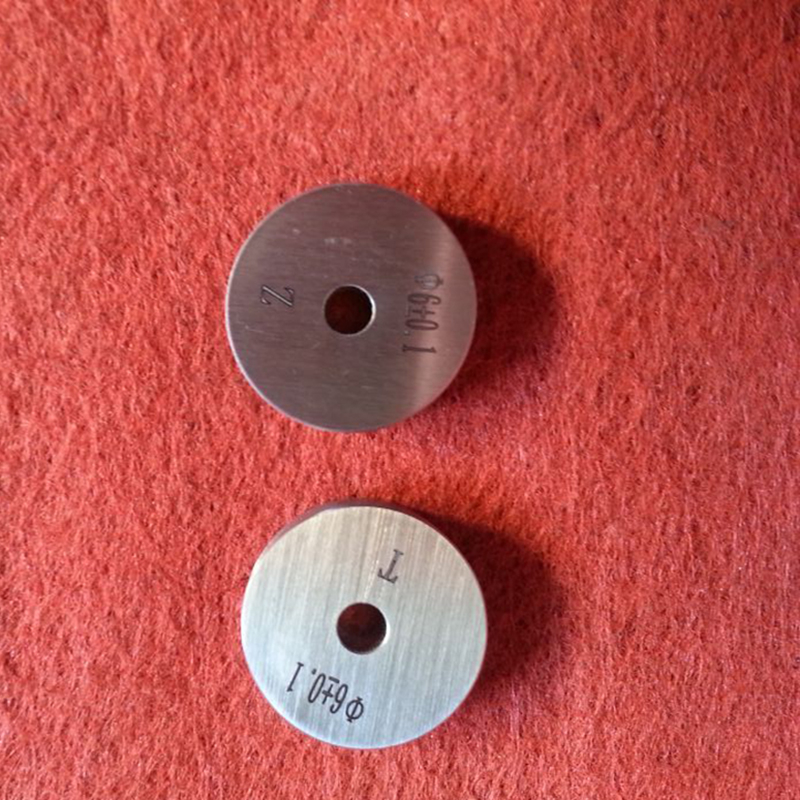
Wooden frame construction with truss plates and nails for added structural support.
Wood frame construction has been a popular building method for centuries, providing a versatile and
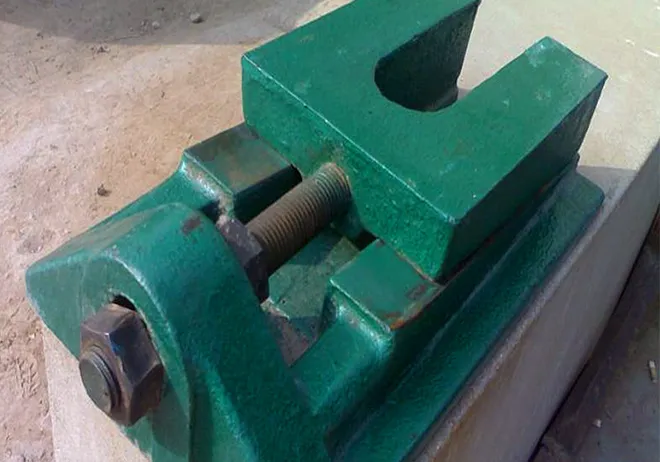
Various Types of Water Check Valves and Their Applications
Types of Check Valves for Water Check valves play a crucial role in fluid control systems, particula
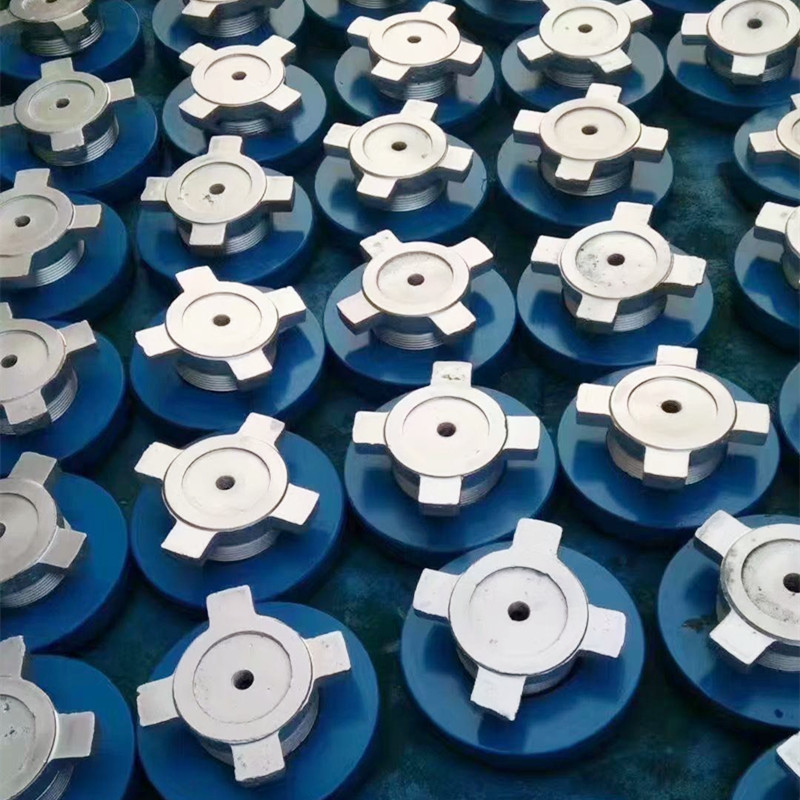
y strainer flange type
Understanding Y Strainer Flange Type An Essential Component in Fluid Systems In the realm of fluid m
 English